The Significance of 666 as the Devil’s Number
Throughout history, the number 666 has been shrouded in mystery and intrigue, often regarded as the infamous devil’s number. Its association with evil and the occult stems from biblical references, particularly in the Book of Revelation, where it is linked to the Antichrist. But why has this number captivated our collective imagination and sparked countless debates? Delving into its historical, cultural, and religious significance reveals a fascinating tapestry of beliefs and interpretations that continue to influence our understanding of good and evil today.
Why is 666 considered the devil’s number in Christian theology?
In Christian theology, the number 666 is often referred to as the “number of the beast,” primarily due to its mention in the Book of Revelation, specifically Revelation 13:18. This number is associated with the Antichrist and symbolizes imperfection, representing a stark contrast to the divine perfection of the Holy Trinity, which is often associated with the number 7. The repetition of the digit 6 emphasizes its association with evil and moral failure, as it falls short of the ideal, making it a powerful symbol for opposition to God.
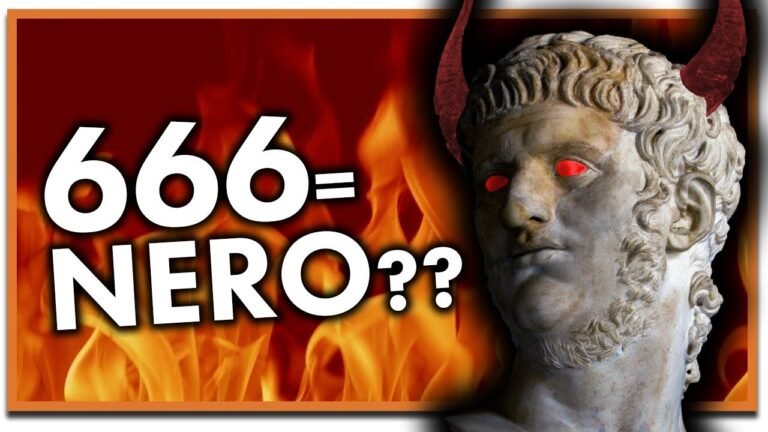
The historical context of 666 also plays a significant role in its interpretation. Many scholars believe it may refer to Emperor Nero, who persecuted Christians, with the number obtained through a numerical code known as gematria. This association with tyranny and oppression further solidifies 666’s reputation as a symbol of evil. As a result, throughout history, 666 has become a potent icon in popular culture and religious discourse, representing the ultimate embodiment of evil and the antithesis of divine order.
What is the origin of the association between 666 and evil?
The association between the number 666 and evil primarily stems from its mention in the Book of Revelation in the New Testament of the Bible. This number, referred to as the “number of the beast,” has been interpreted as symbolizing opposition to God and representing ultimate malevolence. The context of Revelation, a text filled with apocalyptic imagery and prophecies, amplifies the ominous connotation of 666, linking it to the forces of chaos and destruction that are said to rise against divine order.
Historical interpretations have further solidified the negative perception of 666. Early Christian scholars, such as Irenaeus and later theologians, connected the number to various figures or entities that embodied evil. This interpretation was partly influenced by the numeric system of gematria, where letters are assigned numerical values, allowing for associations with specific names that were seen as adversarial to Christian teachings. Over time, this led to the number gaining a reputation as a universal symbol of sin and corruption.
In contemporary culture, the legacy of 666 continues to manifest in literature, film, and popular media, often reinforcing its malevolent imagery. This cultural backdrop has cemented the number’s association with evil in the public consciousness, transcending its biblical origins. As a result, 666 has become synonymous with fear and the supernatural, illustrating how ancient texts can evolve into powerful symbols that resonate through the ages.
How is the number 666 interpreted in the Book of Revelation?
In the Book of Revelation, the number 666 is famously known as the “number of the beast,” symbolizing imperfection and the ultimate opposition to divine order. It is often interpreted as a representation of evil and corruption, linked to the figure of the Antichrist. The number is thought to reflect a corrupted trinity, contrasting the divine perfection of the number seven, and serves as a warning to believers about the dangers of idolatry and moral compromise in a world rife with temptation. This enigmatic number has sparked extensive theological debate and cultural fascination, highlighting its enduring significance in discussions about morality and faith.
Are there any cultural or historical references to 666 outside of the Bible?
The number 666, often associated with the “mark of the beast” in the Book of Revelation, has transcended its biblical origins to permeate various aspects of culture and history. In ancient Rome, the number was linked to Nero Caesar when calculated using the Hebrew numerology of gematria, where letters correspond to numbers. This connection positioned 666 not only as a symbol of evil but also as a reflection of political dissent during a time of persecution for early Christians, demonstrating how the number served as a coded message amidst societal turmoil.
Beyond biblical texts, 666 has made its mark in popular culture, featuring prominently in literature, music, and film. From the infamous “The Omen” series to heavy metal bands like Iron Maiden and Black Sabbath, the number has become a staple in horror and rebellion narratives. These cultural references often play on the fear and intrigue surrounding the number, reinforcing its reputation as a symbol of the dark and the forbidden, while simultaneously sparking curiosity and fascination among audiences.
In addition to entertainment, 666 has also influenced art and design, appearing in various forms of visual expression as a provocative motif. Artists have utilized the number to challenge societal norms and provoke thought, reflecting the ongoing dialogue about morality and the human condition. Whether through graffiti, paintings, or digital art, 666 serves as a powerful cultural signifier, illustrating how a simple number can evoke deep philosophical questions and resonate across diverse contexts throughout history.
Unraveling the Mystique: Why 666 Captivates Our Fears
The number 666 has long been shrouded in mystery and intrigue, often evoking a sense of fear and fascination in popular culture. Frequently associated with the “Number of the Beast” from the Book of Revelation, it symbolizes an ominous presence that transcends mere numerology. This connection to apocalyptic themes and the supernatural has firmly entrenched 666 in the collective psyche, making it a focal point for discussions surrounding good versus evil.
Throughout history, 666 has inspired countless interpretations and artistic expressions, from literature and film to music and visual art. Its allure lies not only in its biblical origins but also in its adaptability, allowing it to be reinterpreted across various contexts. As a result, it has become a symbol of rebellion, fear, and the unknown, appealing to those seeking to challenge societal norms or explore darker aspects of human existence.
Moreover, the fascination with 666 extends beyond superstition; it invites deeper reflections on our fears and beliefs about morality and the human condition. By confronting this number, individuals are often prompted to examine their own values and anxieties. Ultimately, 666 serves as a mirror, reflecting not only our fears but also our curiosity about the forces that shape our world and the narratives we choose to embrace.
From Myth to Meaning: The Legacy of the Devil’s Number
The number 666, often labeled as the “Devil’s Number,” has transcended its biblical origins to become a symbol rich with cultural significance and intrigue. Initially associated with the apocalyptic visions of Revelation, it has sparked fear and fascination across generations, influencing art, literature, and popular culture. This numeral embodies the tension between good and evil, serving as a reminder of humanity’s perpetual struggle with morality. As it weaves through various narratives, from horror films to music, the legacy of 666 continues to challenge our perceptions, transforming a myth into a profound exploration of meaning that resonates deeply in contemporary society.
Decoding 666: Symbolism Beyond Superstition
The number 666 often conjures images of superstition and fear, yet its symbolism extends far beyond ominous interpretations. Rooted in numerology and ancient texts, 666 is traditionally associated with human imperfection and the material world, serving as a reminder of the struggles inherent in the human condition. In various cultures, this number invites reflection on moral choices and the pursuit of higher consciousness, urging individuals to look beyond surface-level fears. By embracing its deeper meaning, we can transform our understanding of 666 from a mere symbol of dread into a catalyst for personal growth and enlightenment.
The association of 666 as the devil’s number is steeped in historical, religious, and cultural significance, sparking intrigue and debate for centuries. This enigmatic figure has transcended its biblical origins to become a symbol of rebellion, fear, and fascination in popular culture. Whether as a mere numerical curiosity or a profound emblem of evil, 666 continues to captivate minds, prompting us to explore the deeper meanings behind numbers and their impact on human belief systems.


